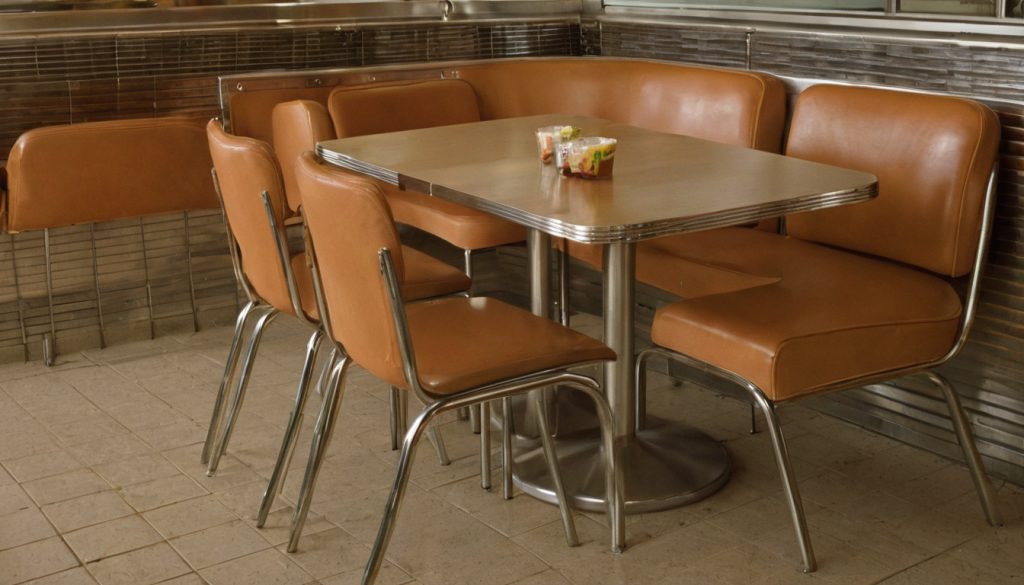
A commercial label, attractive finish, or high static weight rating does not make a chair durable. Restaurant owners, designers, and procurement teams must verify construction, cleanability, tested performance, and replacement parts before ordering, because one worn glide can expose a metal tube end to tile while an otherwise presentable chair disrupts service and damages the floor.
What operating brief should diner chairs meet before suppliers are asked to quote?
High-volume diner chairs should be specified from an operating brief that separates nonnegotiable requirements from scored preferences.
A diner-chair specification should separate mandatory requirements from preferences
Operations, facilities, design, purchasing, and the local compliance reviewer should approve the brief. The delivered-and-installed budget should include freight, receiving, assembly, installation, spare parts, and chair carts rather than catalog prices alone.
| Mandatory gate | Scored preference |
|---|---|
| Quantity, operating hours, expected table turns, intended service life, commercial testing, and restaurant-use warranty | Silhouette, color, finish texture, and coordination with other restaurant chairs |
| Indoor, outdoor, counter, or booth-adjacent placement; seat and overall dimensions; arms; chair weight; user range | Lower carrying weight, stacking density, and flexibility between dining zones |
| Floor compatibility, cleaning chemicals, stacking method, replaceable glides, removable seats, and accessible fasteners | Quieter movement, preferred hand feel, and additional upholstery choices |
| Written continuity for matching chairs, finishes, upholstery, and repair parts | Shorter replenishment times and smaller replacement-order minimums |
Diner tables and chairs must be checked as one dimensional system
Dimensioned drawings should show the table base, apron, top thickness, chair envelope, occupied depth, pull-out space, and service aisle. A full-size mock-up on the specified floor can expose trapped knees, blocked server routes, unstable glides, cleaning obstructions, and excessive spacing before the order is released.
Accessibility must follow the project jurisdiction. As United States reference points, the 2010 ADA Standards specify a 30 by 48 inch clear floor space for wheelchair positioning and accessible dining surfaces 28 to 34 inches above the finished floor. Local accessibility, building, and fire requirements govern the final layout.
Once the operating brief eliminates unsuitable products, frame selection turns on whether joints and contact points can survive movement, impact, moisture, and repair.
No diner-chair frame material is durable without sound joints and protected contact points
Steel, aluminum, wood, and molded polymer diner chairs can all perform in commercial service when their sections, joints, finishes, and floor contacts match the operating conditions.
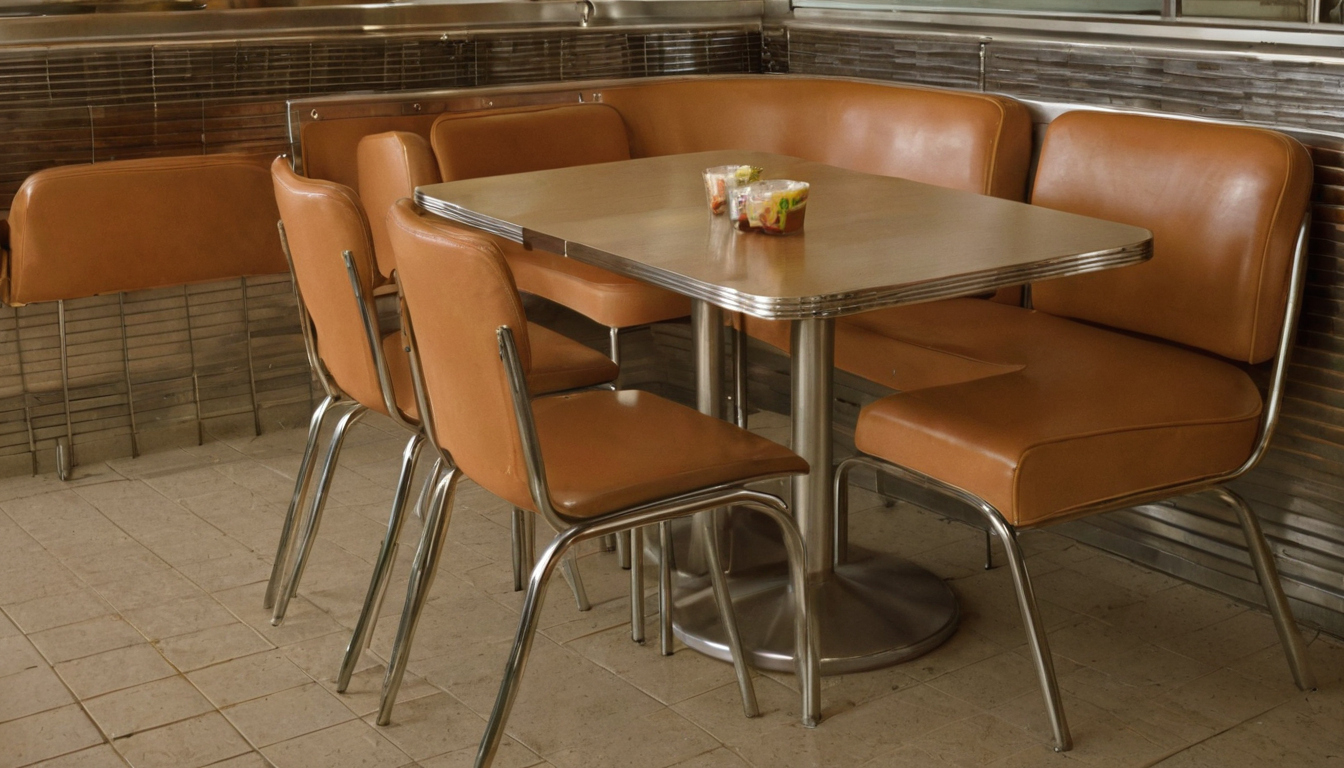
No diner-chair frame material is durable without sound joints and protected contact points shown with practical context cues.
Where do diner-chair frames usually loosen, crack, bend, or corrode?
- Trace the load path. Check front-leg rail joints, rear-leg and back junctions, fastener holes, and seat tabs while applying controlled front-to-back and side-to-side pressure.
- Inspect the joint method. Examine weld toes and continuity on metal frames, accessible fasteners on knock-down frames, and doweled or mortise-and-tenon joints on wood chairs. Molded frames still need inspection at section transitions and mounting points.
- Check contact zones. Look for damaged stacking contacts, loose glides, exposed tube ends, incomplete finish coverage, and unsealed wood undersides. Wet cleaning and humidity can turn small defects into corrosion, swelling, or staining.
A diner-chair sample should be examined beyond its visible finish
Request drawings identifying materials, section dimensions where disclosed, joint construction, seat attachment, finish system, and replaceable components. With supplier permission, remove an accessible seat or fastener to inspect hardware access, underside sealing, hidden edges, and glide retention.
Record rocking, racking, finish defects, and acceptance tolerances for each sample. The National Park Service Museum Handbook supports the general relationship between preservation and documentation, although it is not evidence of commercial-chair performance. Upholstery requires its own documented review because repeated cleaning attacks a different set of components.
Which diner-chair upholstery specifications survive repeated cleaning and seat turnover?
Diner-chair upholstery survives intensive service only when the cover, backing, seams, foam, substrate, adhesive, and fasteners work as a cleanable and repairable assembly.
Diner-chair abrasion ratings must be interpreted with their test method and failure criteria
Require the exact product name, color, backing, technical sheet, and complete test report. An abrasion result is comparable only when the report identifies the method, endpoint, specimen preparation, backing, laboratory, test date, and failure criteria. Confirm that the tested construction matches the ordered material.
Conduct a trial on a production-representative seat using the restaurant’s disinfectant, degreaser, and stain remover at actual dilution, dwell time, wiping method, and frequency. Inspect for color transfer, tackiness, whitening, cracking, coating loss, odor, and adhesive release. Request hydrolysis, flexing, tear, stain, colorfastness, and cold-crack results where the upholstery type and environment make them relevant.
Diner-chair seams and exposed edges often fail before the center panel
Inspect piping, corners, stitch lines, staples, seat edges, and back-panel transitions. Record seam construction, thread, underside fastening, foam specifications, substrate protection, and reupholstery access. A repair technician should determine whether one damaged panel can be replaced without rebuilding the chair.
The U.S. Environmental Protection Agency identifies furnishings and cleaning products as potential indoor VOC sources and recommends increased ventilation while VOC-emitting products are used. Persistent dampness also requires prompt correction; the EPA’s moisture guidance connects correcting wet areas promptly with mold prevention.
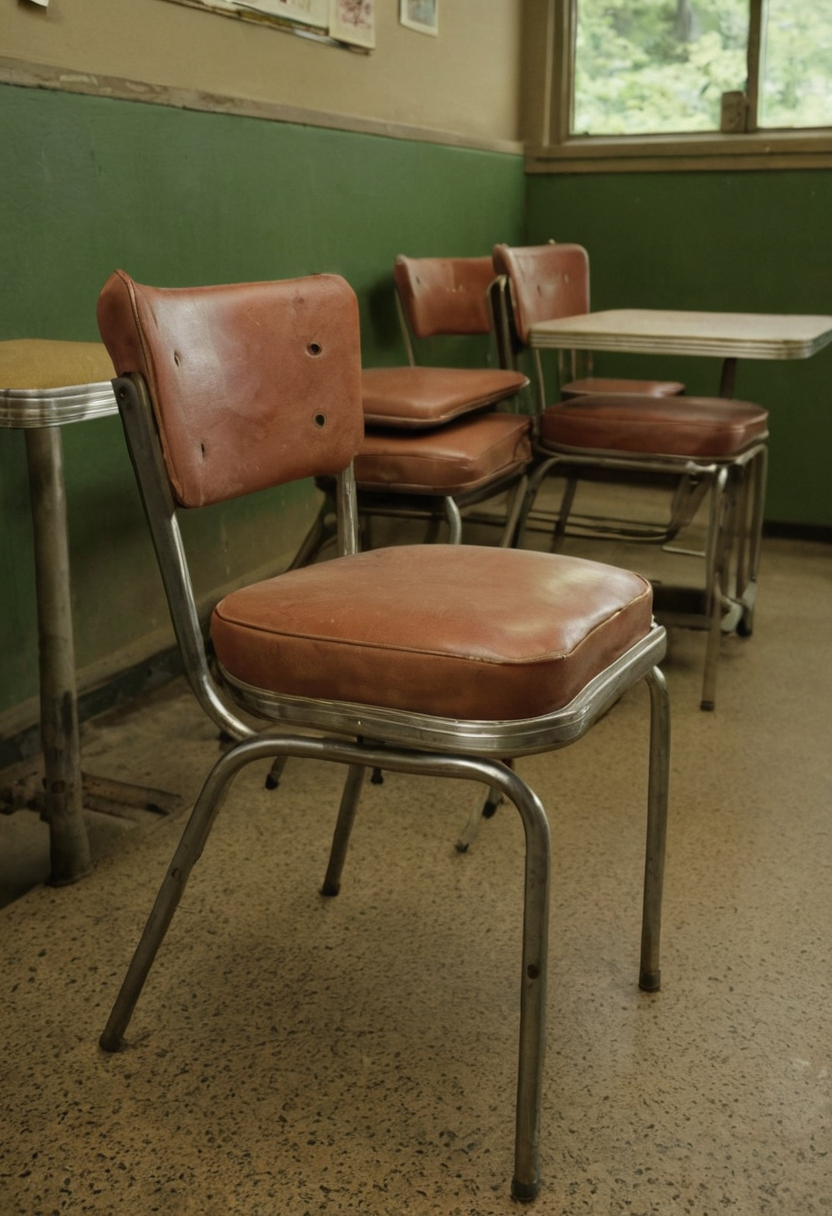
Which diner-chair upholstery specifications survive repeated cleaning and seat turnover shown as an editorial planning reference.
Wood diner-chair seats require a different cleaning and repair review
For wood seats, specify the substrate, finish system, sealed edges, wet-contact limits, cleaner compatibility, refinishing instructions, and independent removability. Fire documentation must match the actual material assembly and jurisdiction.
Repairable diner chairs use replaceable glides, seats, fasteners, and upholstery panels
A repairable diner chair allows common wear items to be removed with ordinary tools without damaging the frame.
| Repairability check | Required supplier evidence |
|---|---|
| Components | Exploded diagram listing glides, fasteners, seats, backs, covers, and touch-up materials |
| Ordering | Part numbers, prices, minimum quantities, lead times, tools, and instructions |
| Continuity | Written availability period and policies for substitutions or discontinued finishes |
| Opening stock | Spare-parts recommendation based on chair quantity, wear, and replenishment time |
Diner-chair glides must match the floor, noise target, and replacement workflow
Test loaded chairs on the installed floor for drag, rocking, noise, and marking. Confirm that replacement glides fit the exact frame and establish inspections before worn components expose frame legs to the floor.
A replaceable diner-chair seat base can prevent premature frame disposal
An independently removable seat allows staff to replace a cracked, wet, or stripped substrate while retaining a sound frame. Review tool access, fastener type, complete-seat pricing, and cover availability. Repairability still needs proof that tests and warranties cover the exact configuration.
Commercial test reports and warranties must apply to the exact diner-chair configuration
A static rating or long warranty does not establish performance under repeated restaurant loading, impacts, cleaning, and movement.
Diner-chair weight ratings should not be compared without the test basis
| Document request | Risk controlled |
|---|---|
| Applicable standard, edition, scope, laboratory, report date, and result | Reliance on an obsolete, partial, or unrelated test |
| Sample dimensions, frame, arms, upholstery, glides, and production status | Mismatch between the tested and quoted chair |
| Cyclic-load, impact, stability, durability, and back-strength results | Confusion between repeated-service performance and static capacity |
Require suppliers to define ratings as static, dynamic, tested, recommended, or warranty-limited. A wooden-chair cyclic-load study used a cyclic stepped increasing loading method associated with standards identified as American Library Association Technology Reports. The program covered 315 chairs from 21 models, with five replications across three loading directions, and found substantial model-to-model differences. Those findings apply to the sampled chairs, not to a buyer’s proposed model.
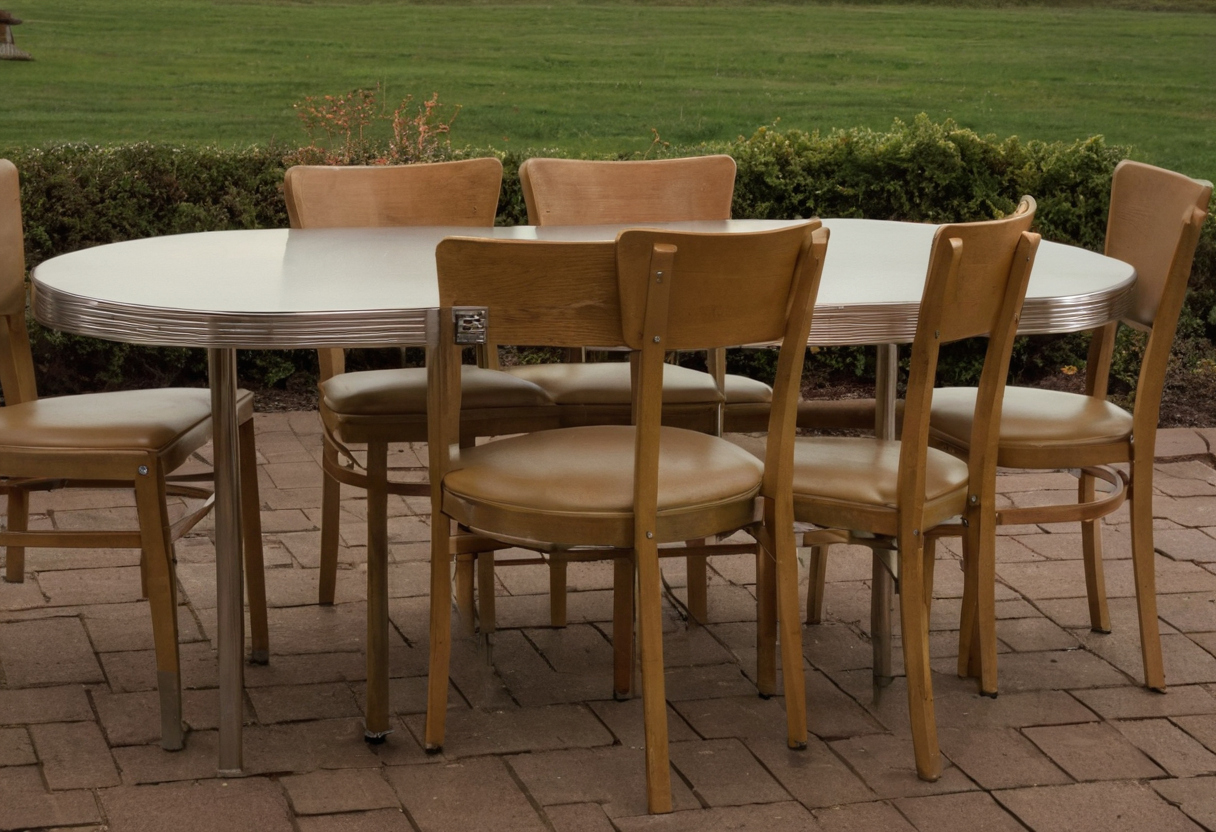
Commercial test reports and warranties must apply to the exact diner-chair configuration shown as an editorial planning reference.
Diner-chair warranties should be read for exclusions and remedies
- Obtain the current written warranty and restaurant-use limitations.
- Check separate coverage for frames, finishes, upholstery, foam, glides, and parts.
- Flag exclusions for wear, loose joints, stacking, chemicals, outdoor exposure, and freight damage.
- Assign responsibility for inspection, labor, freight, refinishing, and color mismatch.
- Record claim deadlines and whether the remedy is repair, replacement, or credit.
Fire documentation for diner chairs must match the material and jurisdiction
A qualified code or fire consultant should identify applicable requirements. Supporting reports must match the specified upholstery, foam, barrier, substrate, and assembly.
Lifecycle cost determines whether diner chairs should be repaired or replaced
Repair is economical when the frame remains sound, matching parts are available, labor is predictable, and the chair retains useful service life.
A diner-chair repair-versus-replace calculation should include downtime and visual mismatch
| Repair case | Replacement case |
|---|---|
| Parts, labor, transport, downtime, spare capacity, and repeat-failure risk | Chair price, freight, assembly, storage, installation, and disposal |
| Availability of matching glides, seats, foam, upholstery, and finishes | Warranty, parts continuity, service life, and table compatibility |
Operations should price lost seating capacity while chairs are unavailable. Design review should account for conspicuous upholstery-lot, finish, joint, or model variation.
Diner-chair purchase price should be normalized by years and occupied uses
Compare options over one period using operating days, occupied uses, maintenance costs, retirement dates, and residual life. Test lower and higher turnover assumptions consistently. A pilot order can verify whether those assumptions survive real service.
A diner-chair pilot order and inspection log reduce full-order failure risk
Before approving a large order, operators should place production-representative diner chairs in demanding service zones and document their performance.
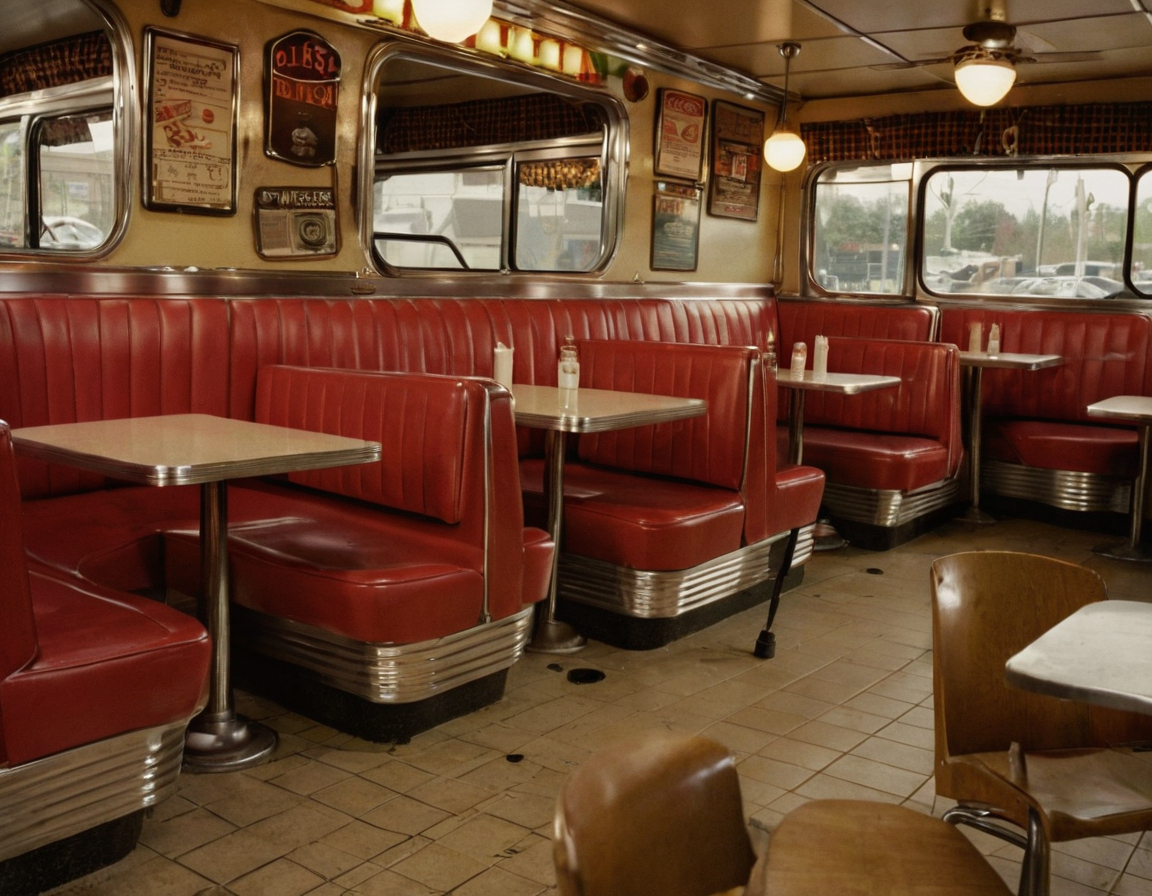
A diner-chair pilot order and inspection log reduce full-order failure risk shown with practical context cues.
Diner-chair pilot testing should reproduce real service and cleaning conditions
Confirm that each sample matches the proposed frame, finish, upholstery, foam, glides, fasteners, and seat attachment. Run the pilot for enough operating days and covers to represent actual turnover.
- Assign chairs to high-turnover tables, service lanes, wall edges, uneven floors, and cleaning-intensive zones.
- Use the intended diner tables, flooring, cleaners, stacking method, chair carts, and closing procedures.
- Record covers, chair moves, cleanings, stacking events, spills, impacts, and observed incidents by chair ID.
- Capture baseline photographs, stability, floor noise, table clearance, and finish condition.
- Refer structural, impact, load, and compliance questions to qualified testing professionals rather than improvising destructive restaurant tests.
A diner-chair maintenance log should record failure mode, location, and remedy
Identify each chair discreetly beneath its seat. The log should connect the chair ID, model, production batch, location, symptom, suspected cause, photograph, repair, parts, labor, downtime, and warranty status.
Receiving criteria should define defect categories, acceptance limits, quarantine procedures, and supplier-response expectations. Inspect for rocking, loose fasteners, damaged glides, joint movement, upholstery defects, cracked seat bases, and finish damage. Facilities should own recurring inspections, operations should report incidents, and procurement should review patterns by component, batch, and floor zone.
Approve the full order only when the pilot record, receiving plan, replacement-part path, and assigned inspection ownership show that the diner chairs can remain safe, quiet, clean, and visually consistent through daily service.
Frequently asked questions about diner chairs
Is it cheaper to reupholster or replace diner chairs when the frames are still sound?
Reupholstery is often preferable when frames and joints are sound, seats are removable, matching material is available, and labor and downtime remain below the delivered replacement cost. Structural uncertainty or obsolete components can make replacement more rational.
What does commercial diner-chair reupholstery cost in the buyer’s local market?
Costs depend on chair construction, fabric, foam, seam complexity, quantity, transport, and local labor. Buyers should obtain itemized local quotes for covers, foam, substrate repair, pickup, delivery, and installation.
What are the most common problems with upholstered restaurant chairs under daily cleaning?
Common problems include coating damage, discoloration, adhesive release, damp foam, failed seams, worn piping, loose staples, cracked substrates, and residue from incompatible cleaners.
Can a cracked or loose diner-chair seat base be replaced without replacing the frame?
Yes, if the seat is mechanically attached, replacement substrates or complete seats are available, and the frame mounting points remain sound. Inaccessible or stripped attachments can prevent economical replacement.
How many spare diner-chair glides, seats, fasteners, and upholstery covers should a high-volume restaurant stock?
Opening stock should reflect chair quantity, pilot wear, supplier lead time, minimum order quantities, and the operational cost of an unusable chair. Stock more frequently consumed glides and fasteners than complete seats, then adjust quantities from maintenance records.